

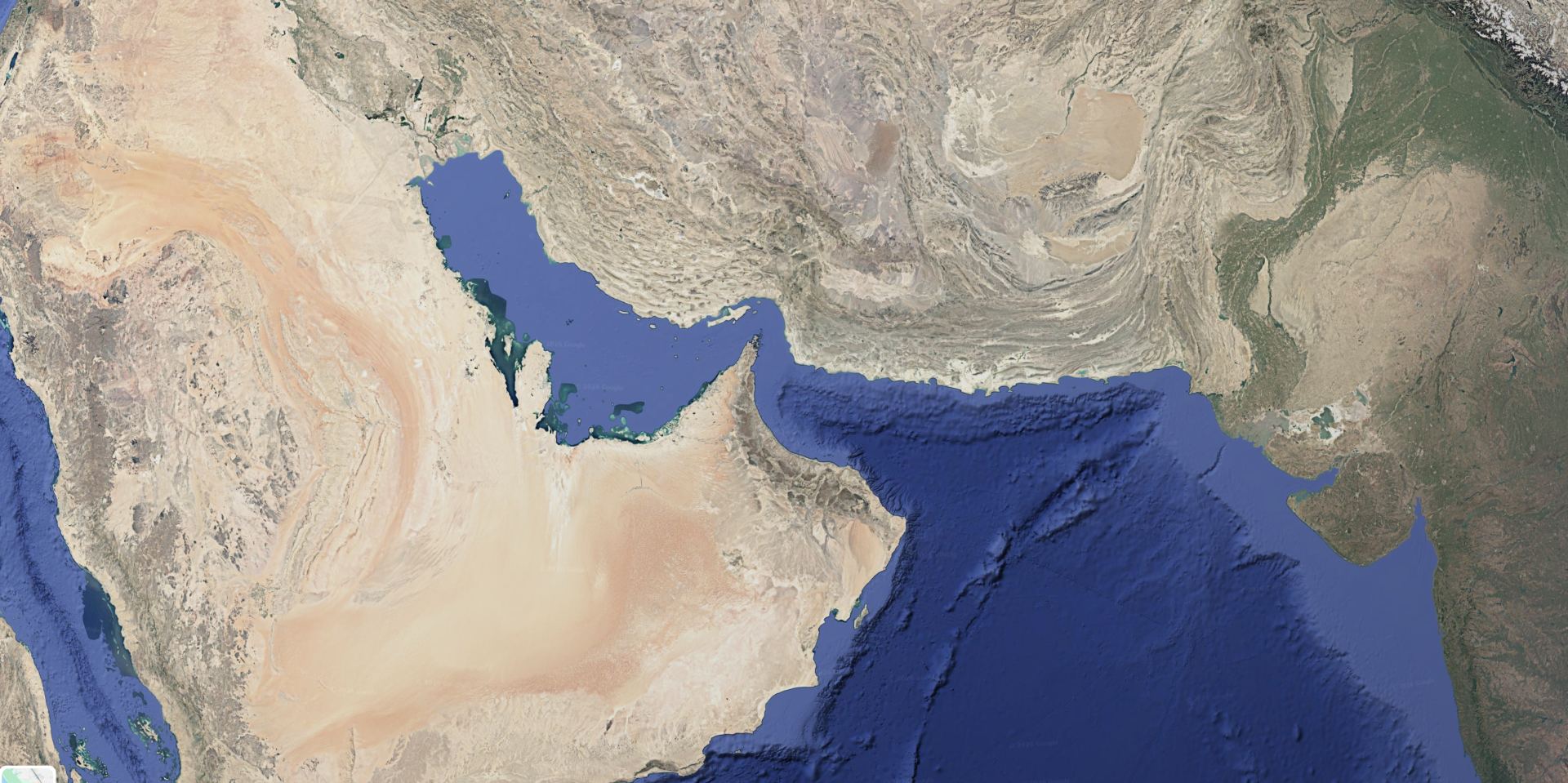
In February’s TrendSpot we flagged Hormuz as a variable to watch. By March it had stopped being a variable and become the dominant fact of global trade.
On February 28, coordinated U.S. and Israeli strikes on Iran triggered a response that paralyzed the most critical maritime chokepoint on the planet. The strait — through which roughly 20% of the world’s traded oil and liquefied gas flows — collapsed to a fraction of its normal activity. Brent crossed USD 100 per barrel on March 8, peaking at USD 126, the fastest crude price escalation in recent history.
Over the following weeks, the strait operated under a selective passage system imposed by Tehran: traffic held around 90% below pre-conflict levels, averaging just 11 daily transits versus the roughly 125 that had been the norm. Iran granted access to certain national flags through bilateral diplomatic arrangements, while war insurers withdrew coverage from most Western operators. No coverage, no transit: the equation was as simple as it was devastating for global supply chains.
The most recent chapter arrived this week. On the night of April 7, Trump announced a two-week ceasefire conditional on the strait’s reopening. Iran accepted, committing to safe passage under its armed forces’ coordination. Markets responded immediately: U.S. crude fell around 8%, trading near USD 103 per barrel after touching USD 117 hours earlier. The deal, brokered by Pakistan, opens a negotiation window — but resolves nothing fundamentally. Iran’s ten-point proposal includes the withdrawal of U.S. forces from the region, the lifting of sanctions, and war damage compensation: conditions that make a definitive closure within two weeks unlikely.
The reading for Ecuador is not that the crisis is over. It is that it has entered a phase of managed uncertainty, where prices can move in either direction depending on the pace of negotiations in Islamabad.
The Local Impact Headlines Aren’t Covering
Ecuador holds a paradoxical position in this crisis. It is an oil producer, which in theory should benefit when prices rise. But it produces less than it consumes: its refineries process around 175,000 barrels per day against domestic demand of 291,000. The gap is covered by refined product imports — products whose prices spiked during the conflict. The price-band mechanism cushions the pass-through to consumers, but that buffer carries a fiscal cost that the already-adjusted 2026 budget has little room to absorb. And even if the ceasefire partially eases crude prices, maritime insurance premiums will take months to normalize, keeping logistics costs elevated regardless of what happens at the negotiating table.
The Second Wave: Fertilizers
This is the impact least discussed in Ecuador — and the one that should concern the agricultural export sector most.
Around a third of global maritime fertilizer trade transits through the Strait of Hormuz, and nearly half of global urea exports originate from Gulf countries. Nitrogen fertilizers, whose production depends on natural gas as a feedstock, were hit from day one of the conflict. Urea prices rose from approximately USD 482 per metric ton before the conflict to USD 720 by mid-March — a roughly 50% surge in under three weeks. QatarEnergy shut down its QAFCO plant, with annual capacity of 5.6 million tons, due to energy supply disruptions; China tightened its export restrictions to protect its domestic market.
The ceasefire does not automatically reverse this. Fitch Ratings raised its urea and ammonia price forecasts for 2026 by around 25%, warning that even if the conflict ends, restoring supply chains will take months. Production operates with limited spare capacity, and insurers will not reduce premiums until weeks pass without new incidents.
For Ecuadorian exporters, this is not news about the Persian Gulf: it is news about net margins in the field. Bananas operate under a regulated minimum price of USD 7.50 per box. Shrimp competes globally on price. Flowers are sold in pricing windows that don’t allow unilateral revision. Any increase in agricultural production costs that cannot be passed on to the sale price becomes sacrificed margin — and that margin was already thin before the war began.
The decision that can no longer be deferred: review fertilizer purchase contracts for the second half of the year. Those locked in at fixed prices before February 28 hold a structural advantage. Those who aren’t are negotiating in the worst fertilizer market in four years — and the temporary relief of the ceasefire does not change the supply fundamentals keeping it that way.