

Two pieces of news arrived from Washington in the same month of March, and very few Ecuadorian companies read them together.
The first: the U.S. Trade Representative signed the Reciprocal Trade Agreement with Ecuador (the RTA), a diplomatic milestone for a country that had gone years without preferential access to the U.S. market. The agreement liberalizes 53% of non-oil exports to the U.S., equivalent to USD 2.786 billion based on 2025 data, and adds 1,673 additional tariff lines to those already exempt — including bananas, cacao, pitahaya, pineapple, flowers, fishery products, and strategic minerals.
The second: that same month, the Office of the U.S. Trade Representative launched Section 301 forced labor investigations against the 60 largest U.S. trading partners. Ecuador is number 16 on that list.
Read separately, the first sounds like a victory and the second like administrative noise. Read together, they describe the real logic driving Washington right now: the RTA is the carrot, and Section 301 is the stick. The preferential access Ecuador just secured could be neutralized before it produces its first concrete result.
The Mechanism That Causes Real Damage
The forced labor investigation does not require a conviction to generate consequences. The mere fact of being under active investigation changes the behavior of U.S. buyers: compliance departments at supermarket chains, shrimp importers, and flower distributors don’t wait for a ruling. They react to reputational risk before there is legal certainty.
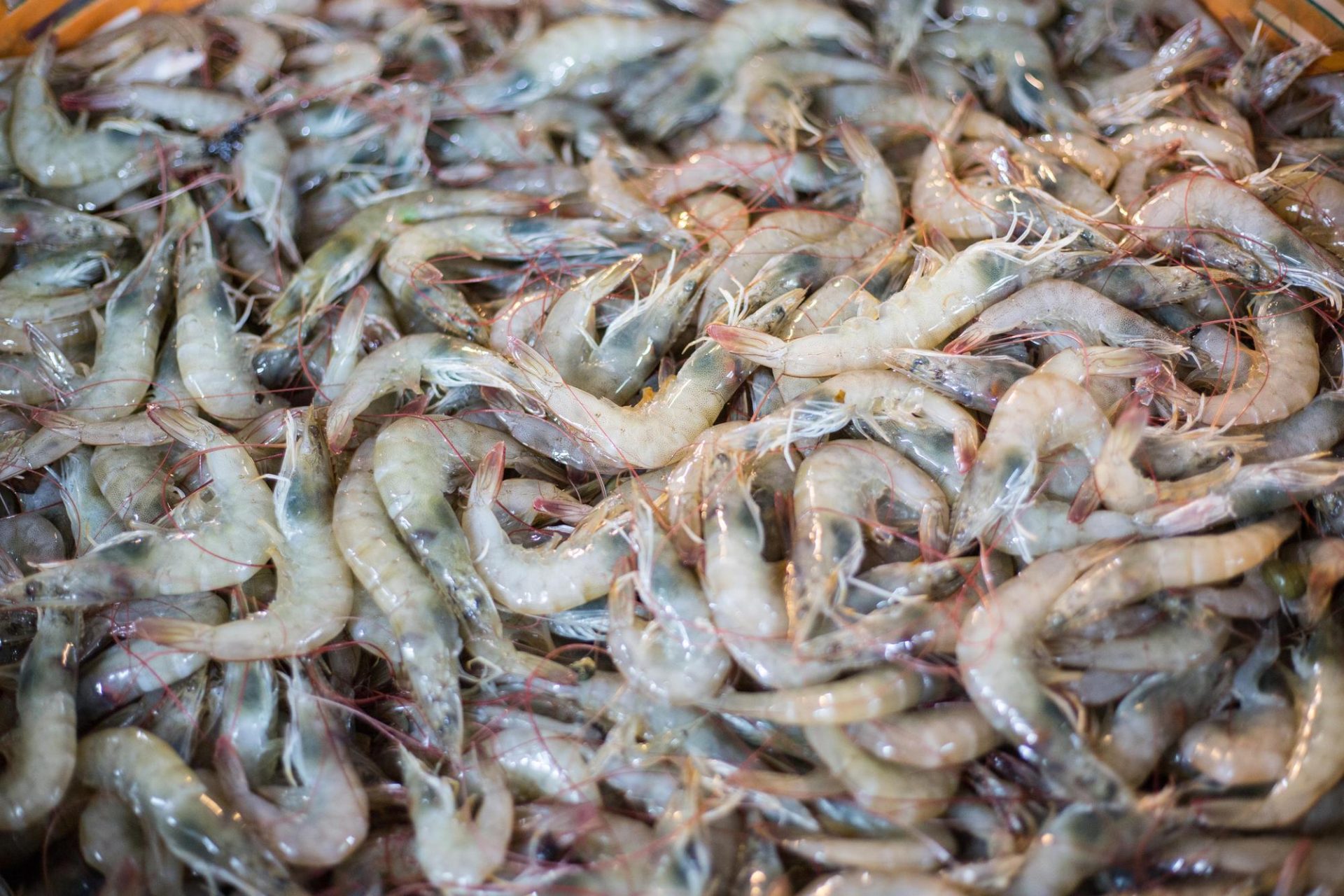
The shrimp sector (USD 729 million in January 2026, up 22.2%) carries the greatest exposure. And its situation is doubly complex: shrimp is not among the products benefiting from the RTA, as it remains subject to the 10% surcharge in effect under Section 122. In other words, the sector most exposed to the investigation is also the one left outside the agreement’s protective umbrella. International agency reports have previously flagged labor condition vulnerabilities in segments of the production chain — exactly the type of evidence the USTR is seeking to gather in these investigations. Written comments are due April 15, 2026. Public hearings begin April 28. A determination could be ready by July 24, when Section 122 expires.
Six Weeks to Get Up to Speed
There is no time for slow processes. Exporters with U.S.-bound sales must do three things before April 15: first, conduct an internal audit of their supplier chain and document labor conditions at every link — not just within their own facility. Second, verify whether their sector trade association (CNA for shrimp, AEBE for bananas) has a formal position prepared to submit to the USTR. Third, review whether current contracts with U.S. buyers contain compliance clauses that could be triggered by the opening of an investigation, regardless of its final outcome.
The RTA may be the best commercial news Ecuador has had in a decade. But only if July 24 arrives with the labor chain in order.